
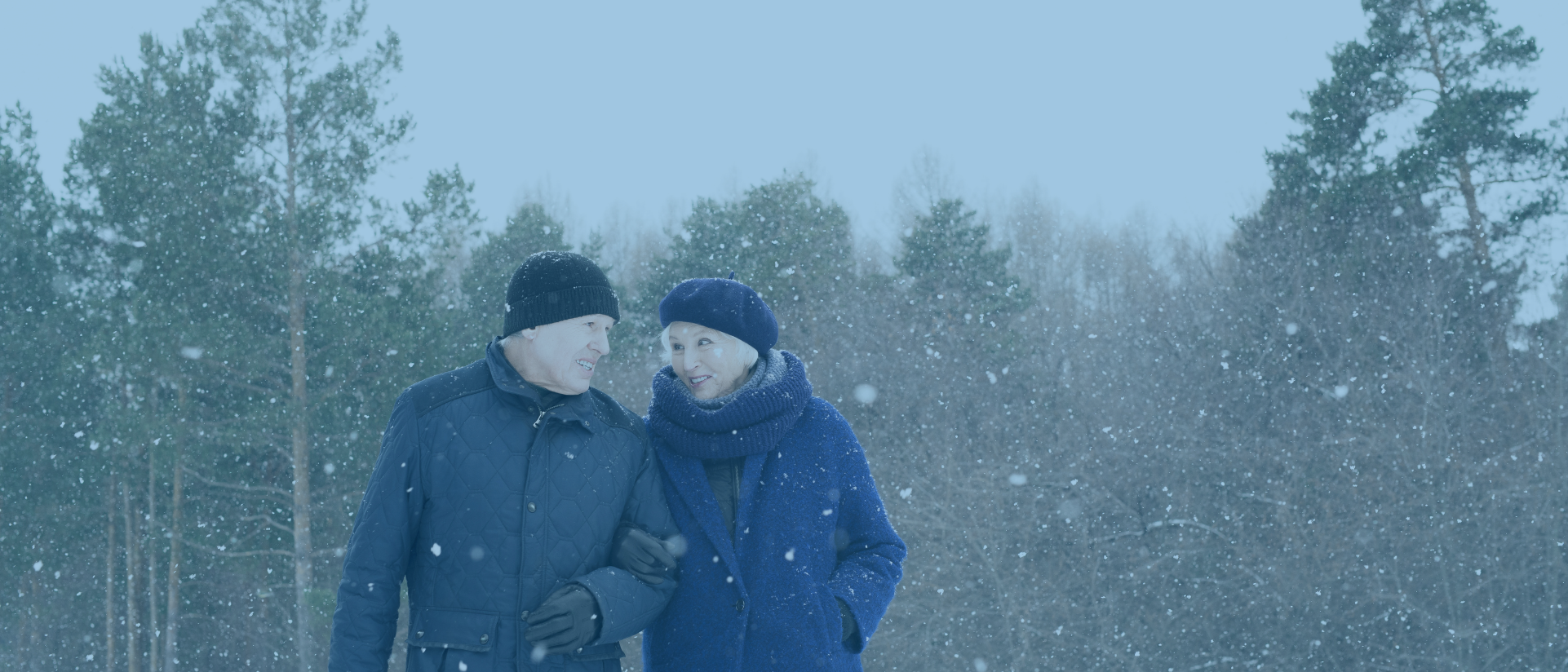
Winter Safety Tips: Staying Active and Safe
Winter transforms our neighborhoods into beautiful, snowy landscapes, but for those of us who rely on mobility aids, it also brings a unique set of challenges. The drop in temperatures, combined with icy sidewalks and snow-covered ramps, can make getting around feel daunting. It is natural to feel a bit more hesitant about venturing out when the weather turns.
However, staying active and connected to your community is vital for your physical and mental well-being, regardless of the season. You do not have to spend the winter months confined indoors. With the right preparation and a few adjustments to your routine, you can navigate the cold weather with confidence. At Triton, we are dedicated to helping you maintain your independence safely. This guide provides practical strategies to help you stay safe, warm, and mobile all winter long.
Preparing Your Equipment for the Cold
Just as you would winterize a car, your mobility device needs special attention to handle harsh conditions. A well-maintained device is your first line of defense against slips and stalls.
Traction is everything when the ground is slippery. If you use a wheelchair or scooter, examine your tires closely. Worn treads can be dangerous on ice or packed snow. Consider switching to winter tires if available for your model, as they offer deeper treads designed to grip better. For manual wheelchairs, pneumatic tires (air-filled) often provide better traction than solid rubber ones in winter conditions, but they must be kept at the proper pressure.
Brakes are equally critical. Cold and moisture can sometimes affect brake responsiveness. Test them indoors before heading out. If they feel loose or unresponsive, have a professional technician inspect them immediately.
Standard rubber tips on canes and walkers can harden in freezing temperatures, causing them to slide rather than grip. This significantly increases fall risk. We highly recommend attaching an ice grip tip to the end of your cane or walker. These metal prongs dig into ice and snow to provide stability. Many of these attachments flip up when you go indoors, so they do not damage the floors.
Cold weather drains batteries faster than you might expect. If you use a power wheelchair or scooter, fully charge your battery before every trip. Plan for a shorter range than you get in the summer. It is wise to keep your charging port covered tightly to prevent moisture from getting in, and if possible, store your device in a garage or entryway that stays above freezing to protect battery life.
Dressing for Warmth and Mobility
Staying warm is a safety issue as well as a comfort one. When you are cold, your muscles tense up, which can affect your reaction time and movement.
Dressing in layers allows you to adjust your body temperature easily. Start with a moisture-wicking base layer to keep sweat away from your skin. Add a warm insulating layer like fleece or wool, and top it off with a windproof or waterproof outer shell. Bulky coats can sometimes restrict movement or get caught in wheels, so look for layers that are warm but streamlined.
For wheelchair users, legs and feet are particularly vulnerable because they are not moving to generate heat. Thermal socks and insulated boots are essential. You might also consider a wheelchair cozy or a heavy lap blanket that tucks securely around your legs.
Hands are another priority. If you propel a manual wheelchair, standard gloves might get wet and slippery. Look for waterproof, insulated gloves with reinforced palms for better grip on the rims.
Navigating the Outdoors Safely
Once you are geared up and ready to go, navigating the winter landscape requires a strategic approach.
Spontaneity is fun, but planning is safer. Stick to cleared paths and familiar routes where you know the terrain. Avoid shortcuts across grass or unpaved areas, as snow can hide holes or uneven ground. If you are visiting a new location, call ahead to ask about accessibility. Are the ramps cleared? Is the entrance salted? Knowing what to expect removes anxiety.
Winter days are short, and visibility can be poor during snowfall. Make sure you can be seen by drivers and other pedestrians. Attach reflective tape to your mobility device and wear bright, high-contrast clothing. If you are out in the early morning or evening, use a light on your wheelchair or scooter, or attach a small clip-on light to your walker or coat.
There is immense strength in knowing when to ask for assistance. If you encounter a patch of ice, a steep snowbank, or an uncleared curb cut, do not risk it. Ask a passerby for help or find an alternate route. Most people are more than happy to lend a hand.
Creating a Safe Indoor Environment
Winter safety starts at home. Bringing snow and moisture indoors can create hazards in your own living space
When you come inside, your wheels or walker tips will track in moisture. On tile or hardwood floors, this creates an instant slip hazard. Place absorbent mats at all entrances. If possible, have a designated area near the door where you can wipe down your wheels or change out of wet boots. Keeping an old towel near the door where you can wipe down your wheels or change out of wet boots. Keeping an old towel near the door specifically for this purpose is a simple, effective habit.
Winter storms can sometimes keep us indoors for days. Build a small emergency kit that includes essential medical supplies, non-perishable food, water, and extra medication. Make sure you have a way to charge your phone if the power goes out, and keep a list of emergency contacts handy.
Staying Active Indoors
If the weather is simply too severe to go out, that does not mean you have to be sedentary. Movement helps maintain circulation and keeps your spirits up.
Chair Exercises: There are many guided routines available online that focus on upper-body strength and flexibility while seated.
Indoor Walking: If you have space, do laps in your hallways or living room. Even small amounts of movement add up.
Mental Engagement: Call a friend, work on a puzzle, or read a book. Staying socially and mentally active helps combat the “winter blues” that can set in during long periods of isolation.
We Are Here to Support You
At Triton, we understand that maintaining independence is a year-round priority. We are part of this community, and we want to see you thriving in every season. Whether you need advice on winterizing your equipment, are looking for better traction aids, or simply have questions about staying safe, our team is here to help.
Do not let cold weather stop you from living your life. With a little preparation and the right tools, you can enjoy a safe, active, and happy winter season.